


THE IRON-CLAD TRUTH:
When the heat is on, cast iron keeps its composure.
Fire Resistive Construction
Modern buildings rely on fire-rated separations to keep people safe. The moment a pipe punches through that barrier, the job gets complicated—and expensive.

Plastic Piping
Plastic piping will combust and lose its strength, leaving a hole that lets smoke and flame through. Which means this type of installation typically requires an intumescent firestop assembly: an expanding ring, metal collar, anchors and a bead of fire-resistant caulk tested to ASTM E-814. And that is harder to install, costly and long-term service life varies by manufacturer.
Cast Iron Piping
Cast iron will not melt or burn away in a fire, so designers and engineers can avoid the added cost and complexity of adding fire stopping materials to their piping assemblies for every penetration in a building. All that is required to seal a cast iron penetration is some mineral wool batting and fire-resistant caulking around the pipe. The more floors in the building, the greater the cost savings.
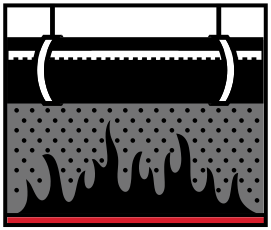
Cast iron piping will not melt or burn away, so sealing a cast iron penetration is simpler, faster and more cost effective.
Resources
View All
CISPI Brochure
All too often, the perceived cost advantages of plastic over cast iron are not what they seem. This brochure will help it all make sense, by comparing six areas that can add cost and complexity: fire resistive construction, crush and deflection underground, thermal expansion/

CISPI Cast Iron Soil Pipe & Fittings Handbook
This newly updated handbook features the latest technical specs, installation guides, manufacturing details, layouts and other useful information for putting cast iron soil pipe and fittings to work for you.

CISPI 301
Standard specification for hubless cast iron soil pipe and fittings for sanitary and storm drain, waste and vent piping applications.